Shared Interest Events: The 2026 Trend Worth Testing

“Come along and meet new people.”
For some people, that sounds great.
For others, it sounds like two hours of wondering where to stand.
Now try a different invitation:
“Learn to make dumplings. Beginners welcome. Come on your own or bring a friend.”
There’s something to do. Something to talk about. And a reason to attend even if you don’t leave with three new friends.
That difference sits behind an interesting theme in event trends for 2026: gatherings built around shared interests, with room for conversation to happen naturally.
For clubs, community venues and independent organisers, it offers a useful question.
Could your next event give people something to do together, rather than simply asking them to mingle?
What are shared interest events?
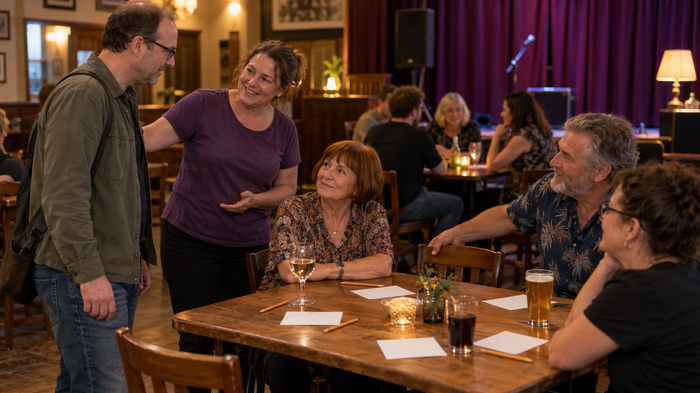
Shared interest events bring people together around an activity, subject or cause.
Think beginner pottery, film discussions, music trivia, gardening workshops or a local-history walk.
The activity gives the gathering a clear purpose. Someone can decide whether it suits them before they book, and they have something in common with the people who arrive.
That doesn’t mean every event needs a workshop.
A live show with a discussion afterwards, a guided tasting or a board-game evening can also give people a shared starting point.
The important detail is knowing what participants will actually do.
What the 2026 research tells us
Eventbrite’s 2026 Social Study surveyed 4,051 people aged 18–35 across the US and UK in July 2025. It found that 69% wanted to attend more events combining different interests or worlds.
Another finding helps explain the appeal.
In its research on socialising without pressure, 58% said socialising was somewhat important but preferred it not to be the focus, while 45% wanted control over how and when they interacted.
These are findings from younger adults in the US and UK. For Australian organisers, they offer an idea to test with your own audience: make the activity worthwhile, and give people choices about how they take part.
There’s a difference between welcoming conversation and making conversation the assignment.
Recent booking data adds another signal
Eventbrite’s 2026 analysis of hobby-based gatherings found attendance at pottery and craft circles increased by 116% between the first halves of 2025 and 2026.
The analysis covered US events on its platform that combined an activity with explicit language about meeting people, such as “come solo” or “meet new people”. It wasn’t a measure of every pottery workshop or the Australian market.
For local organisers, the useful part is the format: an activity people want to try, with a clear welcome for those arriving alone.
Start with an interest your audience already has
Before booking a facilitator or ordering materials, look at the people you already serve.
What do members ask about? Which posts attract questions? What do visitors stay behind to discuss after an event?
A bowls club might have members interested in gardening. A community venue might hear requests for beginner craft sessions. A literary group might want a conversation with a local author.
Start with something recognisable.
“Community social evening” is broad.
“Beginner sourdough workshop with a local baker” tells someone what they’re signing up for.
Ask a question that helps you plan
“Would you attend a workshop?” can attract plenty of polite yeses.
Try something more useful:
- Would you prefer a weekday evening or a Saturday morning?
- Would you attend alone, or mainly with a friend?
- Which activity would you pay to try?
- What would you expect the ticket to include?
Use those answers to shape the offer. Then test whether people book.
Interest is helpful. Bookings give you a firmer basis for committing to costs.
Community event ideas worth testing

Choose an idea your team can deliver well.
| Event concept | What people do | What to explain before booking |
| Beginner pottery session | Make a small item with guidance | Materials, firing arrangements and collection details |
| Music trivia evening | Answer questions around a musical theme | Team arrangements and whether solo attendees can join |
| Plant-care workshop | Learn practical care techniques | Whether plants or tools are supplied |
| Local-history walk | Explore the area with a guide | Route, distance, accessibility and weather arrangements |
| Author discussion | Hear from an author and discuss their work | Whether reading the book beforehand is expected |
| Board-game evening | Learn and play selected games | Experience level, game choices and table arrangements |
These are possible pilot formats. Choose according to your audience, venue and budget.
You don’t need five activities competing for attention. One well-explained activity can give the evening enough substance.
Make “come on your own” mean something
It’s easy to put “solo attendees welcome” on an event page.
The arrival experience needs to support it.
Someone arriving alone shouldn’t have to work out where to sit while everyone else settles into familiar groups.
Give the host a simple welcome plan
Agree who greets newcomers and how participants find their place.
For a workshop, that might mean showing each person to a prepared seat. For trivia, it might mean offering a clear way to join a team. For a game night, it could mean a host introducing the first game at each table.
Explain those arrangements before people book.
“Coming alone? Our host will help you join a table” is more useful than “Everyone welcome.”
Let people participate differently
Some attendees will talk straight away. Others will want to concentrate on the activity first.
Avoid making introductions, group sharing or photographs compulsory unless they’re essential to the stated format.
Give people enough structure to understand what’s happening, with room to settle in at their own pace.
Sell the activity people will experience
A generic invitation makes your promotion harder to write.
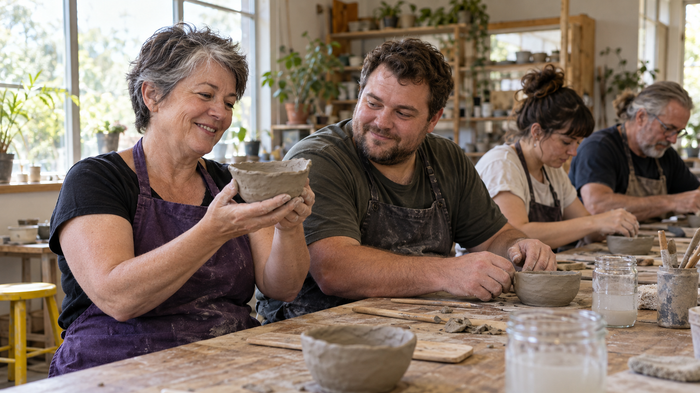
A specific activity gives you something to show.
Photograph the item attendees will make. Introduce the facilitator. Share a short demonstration or explain one thing participants will learn.
For event promotion, those details help someone answer the question: “Is this for me?”
Show what the ticket includes
If materials are supplied, say so.
If the finished item needs to be collected later, explain that too. If refreshments are available separately, make the arrangement clear.
A person should be able to understand the offer without sending a message first.
Work with people who already share the interest
A local bookshop, craft teacher, gardening group or community organisation may be a relevant collaborator.
Agree what each party contributes and how the event will be promoted. Give partners accurate details and a clear booking link.
The connection should make sense to their audience. That’s a better starting point than asking every available page to share the same poster.
Keep the first event manageable
A new format is easier to assess when the commitments are clear.
Work out the capacity the activity needs, the staff required and the costs before choosing a ticket price.
Include materials, facilitator fees, venue costs, refreshments and applicable ticketing fees in your budget. Decide what level of bookings makes the event workable.
Sticky Tickets’ event setup tools include ticket limits and multiple ticket types, which can support a workshop with a fixed number of places or clearly defined admission options.
Keep those options understandable. A beginner session probably doesn’t need a long menu of ticket categories.
Consider member benefits where they fit
For clubs and associations, an activity-based event can provide another occasion for members to participate.
Membership ticketing options can support eligible member discounts and restricted ticket benefits. Discuss the available arrangements with the Sticky Tickets team before advertising them.
Make the difference between member and guest admission clear.
Measure more than whether the first event sold out
Afterwards, review what happened.
Did ticket holders attend? Could newcomers follow the activity? Was the staffing practical? Did the event cover the costs you expected?
Then ask a useful follow-up question:
“Would you book another session and what would you want to do?”
Sticky Tickets’ event reporting features include sales reports and check-in insights that can help with that review. Combine the figures with feedback from attendees and staff.
A full first session is encouraging. A format people want to return to gives you something to build into your calendar.
Frequently asked questions about shared interest events
What does “soft socialising” mean?
It describes gatherings where an activity provides the main reason to attend and social interaction can happen without being compulsory.
Are these events only for younger audiences?
The cited survey focused on adults aged 18–35. Organisers can test activity-based formats with other audiences, using their own feedback and booking results to assess demand.
Can someone attend without knowing anyone?
They can, if the format supports it. Explain the arrival process, seating or team arrangements and any beginner requirements before booking.
Does the event need to be small?
Choose capacity according to the activity, staffing and venue. A hands-on class may need fewer participants than a talk or trivia evening.
Give people a shared starting point
Someone might hesitate over an invitation to meet strangers.
They may feel differently about learning a skill, discussing a favourite book or joining a game they’ve wanted to try.
Start with the interest. Explain the activity. Make newcomers feel expected.
As you plan the rest of the year, look for one format your community would recognise and your team could deliver well.
Explore Sticky Tickets’ event ticketing tools, or book a club ticketing review to discuss your next club event.
This ebook has seven of our favourite tried and tested methods for increasing ticket sales, and most of them don’t require a lot of work or expense on your part.
You might also like:
 Shared Interest Events: The 2026 Trend Worth Testing October 30, 2026
 How to Sell More Event Tickets When the Couch Is Winning October 22, 2026
 World Environment Day Events: Sustainable Event Planning Without the Extra Stress June 5, 2026