How to Sell More Event Tickets When the Couch Is Winning

Your Event Has a Competitor. It’s the Couch.

Your event has entertainment, a good venue and a team working hard to make it happen.
The couch has free parking.
It also has no dress code, no queue and a very forgiving cancellation policy.
That’s the competition sitting behind some of your unsold tickets. Someone can like your event, share the post and tell a friend it sounds good, then decide that staying home feels easier.
For organisers wondering how to sell more event tickets, this is a useful place to start. What makes your event worth the effort of going out?
The answer needs to be visible before someone books.
People can want to go out and still hesitate to book
There’s interest in live events. Eventbrite’s 2026 Social Study found that 79% of respondents aged 18–35 planned to attend more events in 2026. The research surveyed 4,051 people across the US and UK in July 2025. That measures intention, rather than completed bookings, but it gives organisers a useful signal: people are looking for reasons to attend.
Your event still has to earn a place in their plans.
A potential attendee might be thinking:
“Will my friends come?”
“What does the ticket actually include?”
“Will we need dinner beforehand?”
“Is it going to be awkward if I arrive on my own?”
Your promotion might answer none of those questions. It might simply say, “An unforgettable night awaits.”
Which leaves a fair bit to the imagination.
Your ticket price is only part of the decision
An organiser sees a $35 ticket.
An attendee may see $35, transport, dinner, drinks and the effort of getting everyone organised.
For some people, there’s childcare to arrange. For others, it’s a long trip home or an early start the next morning.
You can’t remove every obstacle. You can make the decision easier by explaining the evening properly.
Consider the difference:
Vague: Join us for a fantastic night of live entertainment.
Specific: Three-piece soul band, seated tables and a two-hour show. Doors open at 6.30 pm, with dinner available before the music starts at 7.30 pm.
The second version gives someone enough information to start making plans.
That matters. “Sounds fun” is a reaction. “We could have dinner there first” is the beginning of a booking.
Give people something they can describe to a friend
Try a quick test.
Could someone explain your event in one sentence without reading the poster aloud?
“We’re going to a comedy night.”
Fine.
“We’re going to a comedy night with three local comics, and we can book a table together.”
Now there’s a plan.
Good event promotion makes the experience easy to understand and easy to pass on. Explain what people will do, what’s included and what makes this particular event worth their time.
Lead with the detail that earns attention
The most interesting part of your event may be buried beneath the date, address and a paragraph about your organisation.
Bring it forward.
Perhaps the audience gets to choose the final songs. Perhaps the workshop includes everything needed to make something they can take home. Perhaps it’s a seated show where friends can catch up over dinner beforehand.
Use a detail you can deliver. It doesn’t need to sound grand. It needs to mean something to the person considering a ticket.
Show the experience before asking for the booking
A performer’s rehearsal clip can tell people more than another poster.
So can a photograph of the room set up for the evening, a short introduction from the host or a demonstration of what workshop attendees will make.
Give people something concrete to look at. Help them work out whether the event suits them.
Then make the booking link easy to find.
Answer the questions that can stall a ticket sale
An interested person shouldn’t need to send a message to understand the basics.
Before promoting your event, check whether the booking page answers these questions:
| Attendee’s question | Information to include |
| What am I paying for? | Ticket inclusions and any separate purchases |
| Can we sit together? | Seating arrangements and how group bookings work |
| What time does it finish? | Expected finish time, where known |
| Can I come alone? | How the event works for individual attendees |
| How do I get there? | Venue address and relevant transport or parking information |
| What happens after booking? | Ticket delivery and arrival instructions |
For club events, pay particular attention to member and guest ticket options. Explain eligibility and what each option includes.
Small details can carry a lot of weight when someone is deciding whether to commit.
Make booking with friends less of a project
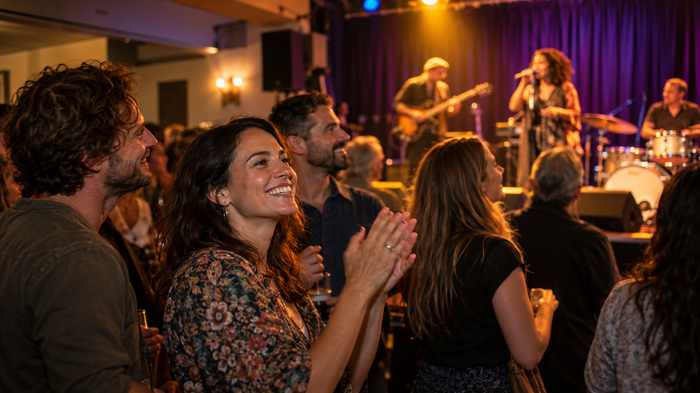
There’s a moment in many group chats when someone says, “Who’s actually coming?”
Then silence.
Your event page can help the person trying to organise everyone. Make the ticket options clear, explain whether one person can book for the group and give them a link containing all the essential details.
If your event offers tables or group admission, explain exactly how those bookings work. Avoid leaving buyers to guess whether purchasing together means sitting together.
Sticky Tickets’ online ticketing tools include multiple ticket types, ticket bundles, seating plans and group discount management. Choose the options that suit your event and explain them clearly on the booking page.
The technology supports the plan. Your wording helps people understand it.
Use urgency people can believe
A real deadline gives someone a reason to decide.
A workshop might need final numbers so materials can be ordered. An early-bird price might finish on a stated date. A seated event might have a fixed number of tables.
Explain the actual reason:
Book by Thursday so we can confirm catering numbers.
Or:
Early-bird tickets close at 5 pm on Friday.
Keep availability claims accurate. If tickets aren’t nearly sold out, find another useful detail to share.
For ongoing promotion, vary what you show people. Introduce the performer, explain an inclusion, answer a common question or show the venue. Each post should help someone make a decision.
Check where interest stops becoming bookings
If an event gets attention but few sales, look at the path between the post and the ticket purchase.
Are people clicking through? Does the event page match what the promotion promised? Are buyers faced with ticket options they don’t understand?
The figures can help you choose what to review:
- Few visits to the booking page: Revisit the event’s hook, audience and visibility of the link.
- Visits without many purchases: Check the offer, price, essential information and booking process.
- Bookings concentrated near the date: Review when people received enough information to commit.
These are starting points for investigation. A single result won’t tell you the whole story.
Sticky Tickets offers event reporting and conversion tracking features that can help organisers review performance. Use the available information to test a specific change at your next comparable event.
Give people a reason to leave the couch
You don’t have to make every event bigger or more elaborate.
You do need to show why it deserves a place in someone’s evening.
Explain the experience. Make the costs and inclusions clear. Answer the practical questions. Help friends make a plan together.
Before your next promotion goes live, ask:
What would make someone put their shoes on for this?
Put that answer where they can see it.
For clubs reviewing their booking pages, member pricing and event setup, book a club ticketing review with Sticky Tickets.
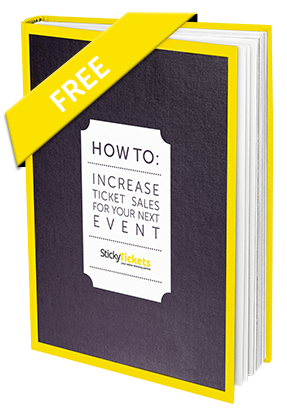
This ebook has seven of our favourite tried and tested methods for increasing ticket sales, and most of them don’t require a lot of work or expense on your part.
You might also like:
 Shared Interest Events: The 2026 Trend Worth Testing October 30, 2026
 How to Sell More Event Tickets When the Couch Is Winning October 22, 2026
 World Environment Day Events: Sustainable Event Planning Without the Extra Stress June 5, 2026